 SEMS
SEMSSMART ENERGY MANAGEMENT SYSTEM
A Smart Energy Management System (SEMS) refers to an integrated system that uses advanced technologies and data analytics to monitor, control, and optimize energy consumption in buildings, industrial facilities, and homes. It leverages real-time data, automation, and intelligent algorithms to improve energy efficiency, reduce waste, and minimize costs while ensuring the reliability of energy systems.
Read MoreElectricity
Electricity is a versatile form of energy produced by the movement of electrons through conductors. It is used to power almost all modern devices, from home appliances to industrial machinery. Electricity can be generated from various sources, including fossil fuels, nuclear power, and renewable energy sources like wind and solar.
Coal
Coal
Coal is a fossil fuel derived from plant material that has been compressed and heated over millions of years. It is primarily used for electricity generation and industrial processes, but its use is linked to environmental concerns due to the high carbon emissions produced when burned.
Gas
Gas
Natural gas is a fossil fuel made up of methane and other hydrocarbons. It is used for heating, electricity generation, and as a fuel for vehicles. Compared to coal and oil, natural gas produces fewer carbon emissions, making it a cleaner alternative, but still contributes to greenhouse gases.
Water
Water
Water, in the context of energy, refers to hydropower, which uses the kinetic energy of flowing or falling water to generate electricity. Dams and turbines harness this energy, making it a renewable and relatively clean source of power, though its impact on ecosystems can be significant.
Key Concepts of Smart Energy Management System
A Smart Energy Management System (SEMS) refers to an integrated solution that uses advanced technologies to optimize the generation, distribution, and consumption of energy in both households and businesses. It leverages Internet of Things (IoT) devices, data analytics, and automation to monitor, control, and manage energy usage in real-time, with the goal of improving energy efficiency, reducing waste, and cutting costs.
Here are the key components and functions of a Smart Energy Management System:
- Monitoring & Data Collection
- Analytics & Reporting
- Optimization & Control.
- Integration with Renewable Energy Sources
- User Engagement
- Demand Response
Various Applications
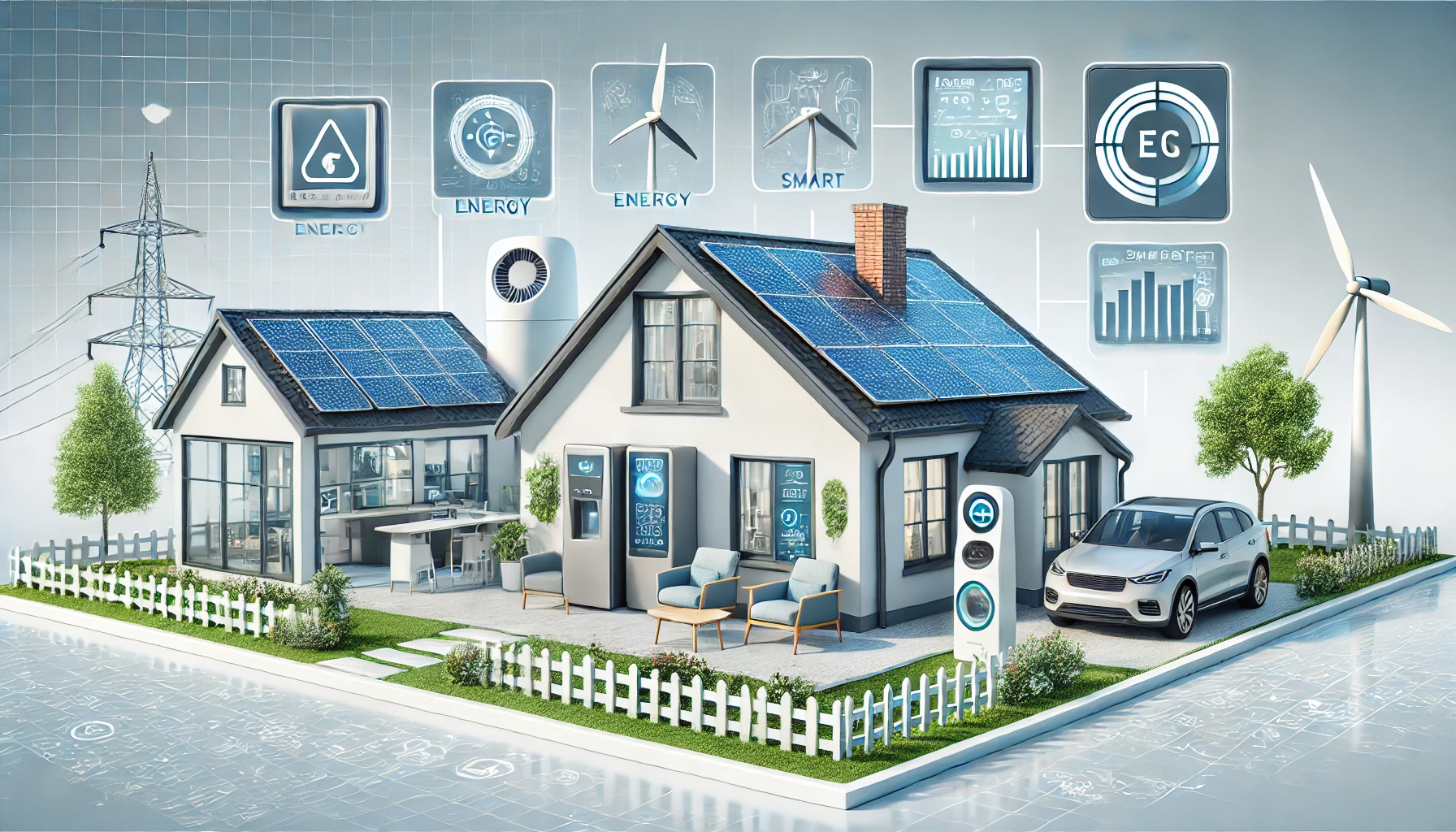
Smart Energy Management Applications for Households
1.Smart Thermostats:
Example: A smart thermostat (like Nest or Ecobee) can learn your schedule and adjust temperature settings, and can be controlled remotely via a smartphone app.
2.Smart Water Heating:
Example: A smart water heater that learns your routine and adjusts the water heating to coincide with periods of low energy demand.
3.Home Energy Automation:
Example:A home energy automation system that can automatically turn off lights, adjust the thermostat, and power down devices when you leave the house.
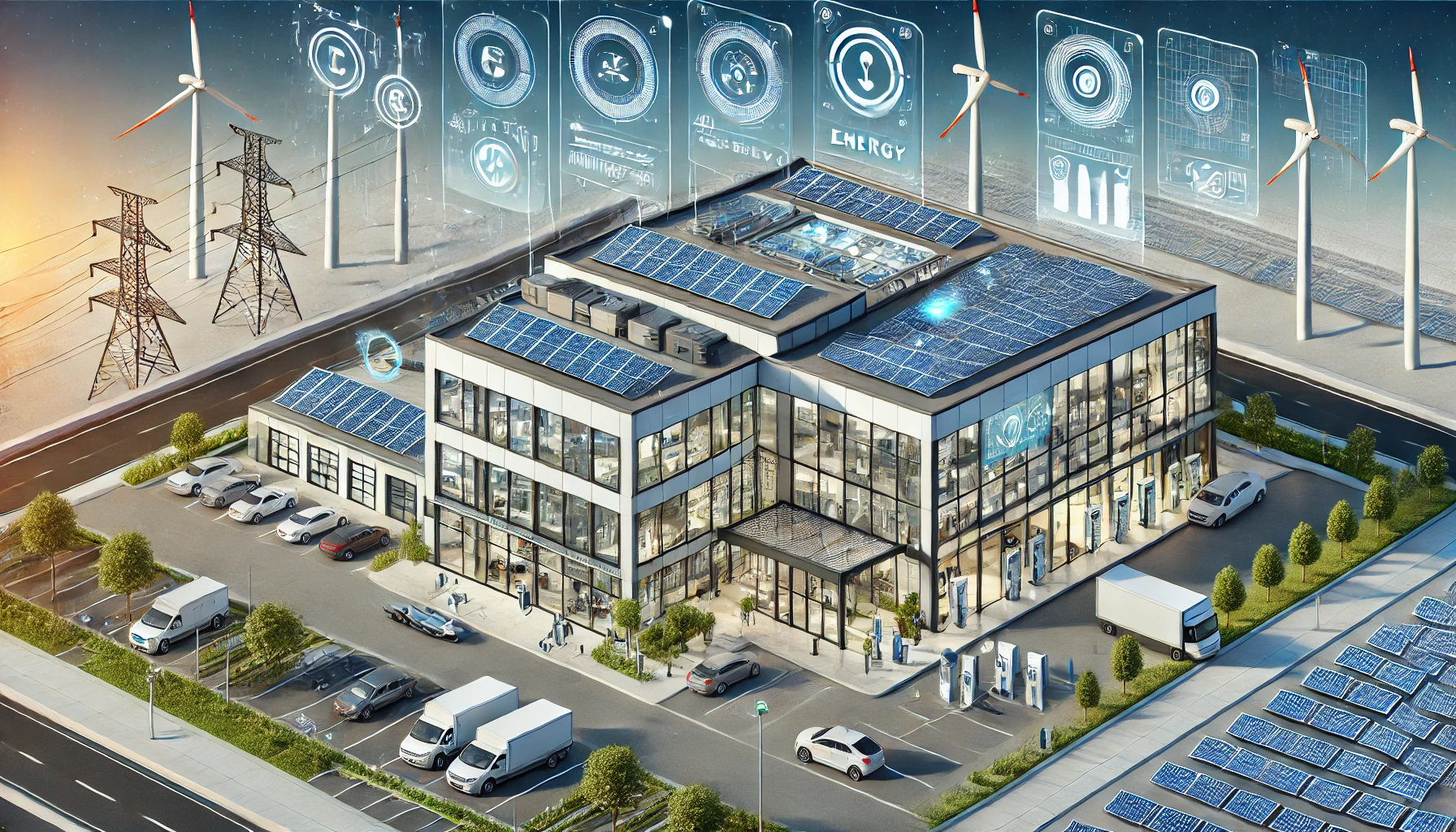
Smart Energy Management Applications for Businesses
1.Commercial Building Energy Monitoring:
Example: A smart energy dashboard that gives facilities managers an overview of energy usage trends, allowing them to identify equipment or areas with unusually high energy consumption.
2.HVAC Optimization:
Heating, Ventilation, and Air Conditioning
A smart HVAC system that adjusts the temperature in conference rooms based on occupancy schedules, ensuring energy isn't wasted when rooms are empty.
3.Smart Metering for Businesses:
Example: A smart meter system in a restaurant or office complex that records energy consumption and provides managers with data on which appliances or areas use the most energy.